Keto Diet Macros Ratio
Managing Your Macros
In this article, we will look at the ideal Keto diet macros ratio and how best to manage your macros while on Keto.
The ketogenic diet is a low-carb, high fat, and moderate protein-based diet that the body uses to fuel itself without using glucose or carbohydrates. When your body doesn’t have enough carbs for energy because you’re on this type of plan, it starts breaking down fats in order to produce some natural sugar called “ketones.” The result? You get better blood sugar levels along with less hunger and cravings when there are no sugars or carbs available.
With careful tracking of your meals, creativity in food preparation methods, and self-control this type of eating plan should lead to weight loss, lower blood sugar levels as well as regulated insulin levels.
What are macros?
Macros stand for “macronutrients,” which are nutrients that your body needs in large amounts. They’re found in food and they include carbohydrates, protein, and fat, as well as calories or energy. We need all three of them to function optimally – carbs give us energy, proteins build and repair tissue (they’re called “macro” because they’re large in your body), and fats are used for everything from making cell membranes to insulating nerve fibers.
Why should you care about macronutrients?
While the percentage of each macronutrient you should consume depends on a few different factors (activity level, body composition, and goals), it’s still smart to know what your specific requirements are. That way you can eat a diet that meets them without getting completely derailed by target-specific percentages. And no matter how many carbs or fats you can eat, it’s important to remember that you won’t gain fat just because you’re eating more of them. It all depends on the calories.
How to find your macro ratios
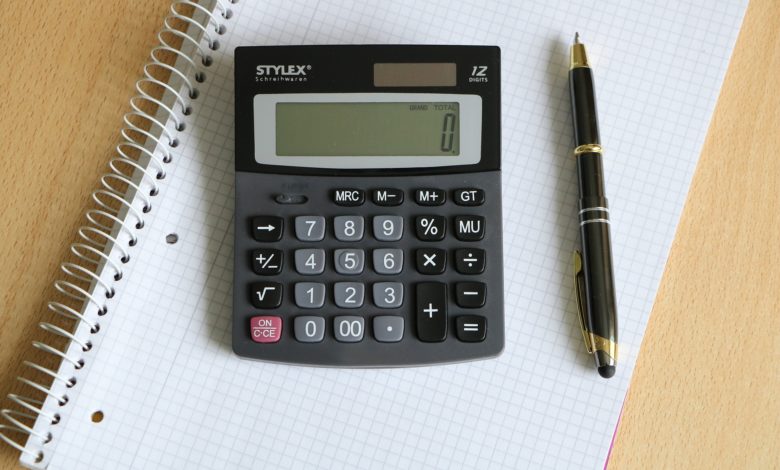
To find out how many grams of each macro you need per day, use this simple Keto Macro Calculator, and then you can begin to make a food list. An easy way to shortcut this is to get a Customized Keto Meal Plan which will give you all of the correct foods, quantities, and recipes already planned out and easy for you to follow.

A quick note on net carbs
When you’re doing a keto or low-carb diet, each gram of carbohydrate counts. This means it is imperative to track net carbs accurately! The key to figuring out carb count is calculating net carbs which are the carbohydrates that will impact your blood sugar levels. Just beware: There’s no official definition for what constitutes as “net” and labels often deceive with their misleading numbers so be sure not to go overboard on these sneaky shortcuts.
Net carbs are the carbohydrates in food that you can digest and use for energy. To calculate net carbs, take a food’s total carbohydrates and subtract fiber and sugar alcohols like xylitol or erythritol. Sugar alcohols taste sweet but their molecular structure is slightly different from that of sugar molecules, which leaves them indigestible (Note: certain types will impact blood-glucose levels).
The best way to track your macros
The best way to track your macros is with a tool like a Keto Diet Calculator. You can select your gender, height, weight, activity level, and then it gives you an ideal caloric intake for your goal which is different for most people. Obviously, the calculator isn’t going to be 100% accurate but at least it will give you a starting point. After that, you can begin recording what you eat in an app like My Fitness Pal, which allows you to track your calories and macros directly.
A common mistake people make when counting their macronutrients
A mistake people make when counting their macros is they have unrealistic expectations – If you’re looking to lose weight, don’t expect to drop 5 lbs in the 1 st week! It’s a slow process that takes time and dedication. You should expect anywhere from one to two pounds per week (if not less). Keep in mind that when you first begin a diet and start cutting your calories, your body is going to fight back aggressively. It will hold onto every ounce of fat it can so it doesn’t starve. Once you’re in ketosis, your fat loss should be much more rapid.
The ketogenic diet’s macro ratio is very specific. The daily breakdown looks like this: 5% of the calories come from carbs, 25% of the calories are coming from protein and 70% of calorie comes from fat.
It can be challenging to maintain a balance between these three macros as they all serve different purposes in our bodies but with some dedication, it will become second nature!
Do I have to meet all my macros on keto?
If you’re eating a ketogenic diet, fat is designed to keep you full. If your hunger levels are low for any period of time, there’s no need to try to force yourself into meeting the number of fats and protein requirements that were initially established by macro counting.
There’s no need to stress about hitting your macronutrients every day. As long as you don’t go over by more than 5 grams or under by more than 10 grams, you should still see results!
What happens if you don’t eat enough fat on keto?
Not eating enough fat can leave your body with not enough calories. If this is the case, your body can linger in an energy limbo where it feels deprived and hungry. This lack of energy can also lead to a slower metabolism. If protein and carbohydrate intake is not managed the person on a ketogenic diet may not go into ketosis. If this happens, don’t let it get you down! It’s just a temporary setback and there is nothing wrong with that.
What happens if you don’t eat enough protein on keto?
If you do not get enough protein then you could start to lose muscle due to your body using lean tissue instead of fat to meet its protein requirements. This will also cause a lower metabolism which will, in turn, cause you to lose less weight. Protein is also important for a number of body functions including the creation of hormones and enzymes, healthy joints, bones, hair, skin, and nails, and a strong immune system.
Therefore it is important to make sure you get enough protein regardless of what diet you are on.
How to meet daily macros on keto?
If you feel that you are not getting enough fat, the best thing to do is to add more fat into the diet and remove unwanted carbohydrates. This can be done in several ways including adding:
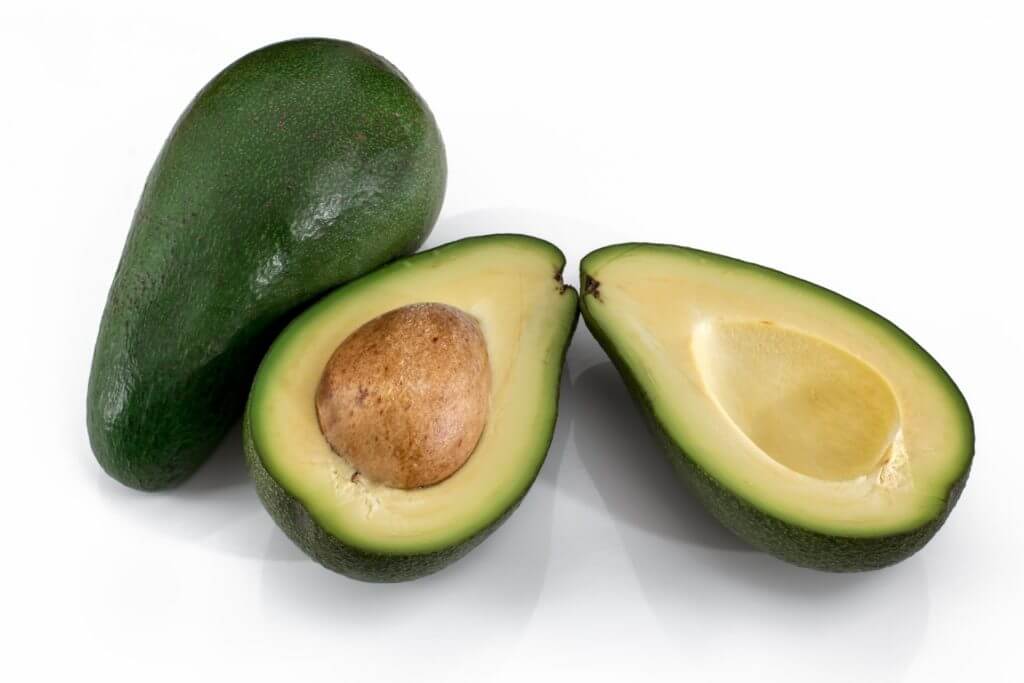
A splash of MCT Oil or some heavy cream in your morning coffee or tea, pumpkin puree for smoothies Adding more butter on top of each meal, or adding more fat in the form of cheese and bacon on most meals. Some people add more nut-based fats like avocado, coconut, or macadamia nuts to their meals for extra fiber and healthy fats.
A ketogenic diet is a moderate-fat-based diet that induces ketosis. If you are struggling with high-fat foods such as nuts, meats, and oily foods add more structure to your meals like vegetables or low-glycemic herbs in your food.
However, make sure that these foods don’t take over your plate, because they can increase blood glucose levels and prevent ketosis. This is particularly important to people who are still in the process of transitioning into a low-carb diet.
The goal of a ketogenic diet is not just about fat intake, but also about low carbs (and protein) intake. This is the reason that coffee with butter and heavy cream is an excellent fat source. On the other hand, you can consume more avocado and pumpkin without worrying about adding too many carbs to your daily diet.
If you feel that you are not getting enough protein then adding more protein-rich foods such as meat, poultry, fish, eggs, cheese, and nuts. However, be careful of sources that contain carbs, nuts being one such source. Processed meat, meat substitutes, and tofu are others to beware of.
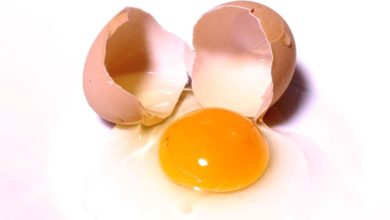
A quick and easy way to boost your protein intake is with eggs. Hard boiling eggs and keeping them handy means you can have a quick snack and meet your protein requirements at the same time.
Conclusion:
You may end up eating three times as many calories on keto as you do when you eat a regular diet if you don’t plan your meals properly. Eating an excessive amount of calories can lead to weight gain and prevent ketosis from happening. To avoid this, it’s important that you track your food intake and macronutrient breakdowns on My Fitness Pal. You should also consider making meal planning and portion size easier by using a Custom Meal Plan which will take a lot of the guessing out of managing your macros.