Does drinking more water help you lose weight?
Does drinking more water help you lose weight? This is a common question asked by many people trying to lose weight. Well, if you drink water for the sole purpose of just quenching your thirst – you might be surprised to learn that it might indeed even help you drop some pounds.
Did you know that 60% of your body is composed of water? Even though it’s calorie-free, this clear liquid plays a role in many functions. The hydrated human body is an efficient machine that can perform at its best for a range of tasks from thinking to running long distances and burning fat.
Drinking more water just might help you lose weight!
Science suggests that water can help with weight loss in a number of ways. It may reduce your appetite, boost your metabolism, and make exercise easier and more efficient – all of which could contribute to results with weight loss.
If your long-term goal is to lose weight then starting with making sure that you drink enough water is a good idea.
There are a number of reasons why drinking water may help you with weight loss:
Water may act as an appetite suppressant.
Quite often when we are thirsty, our brain confuses if for hunger giving us the urge to eat instead of drink water. Therefore, drinking water can often lead to a decreased appetite. In addition to that, water is also lower in calories than food.
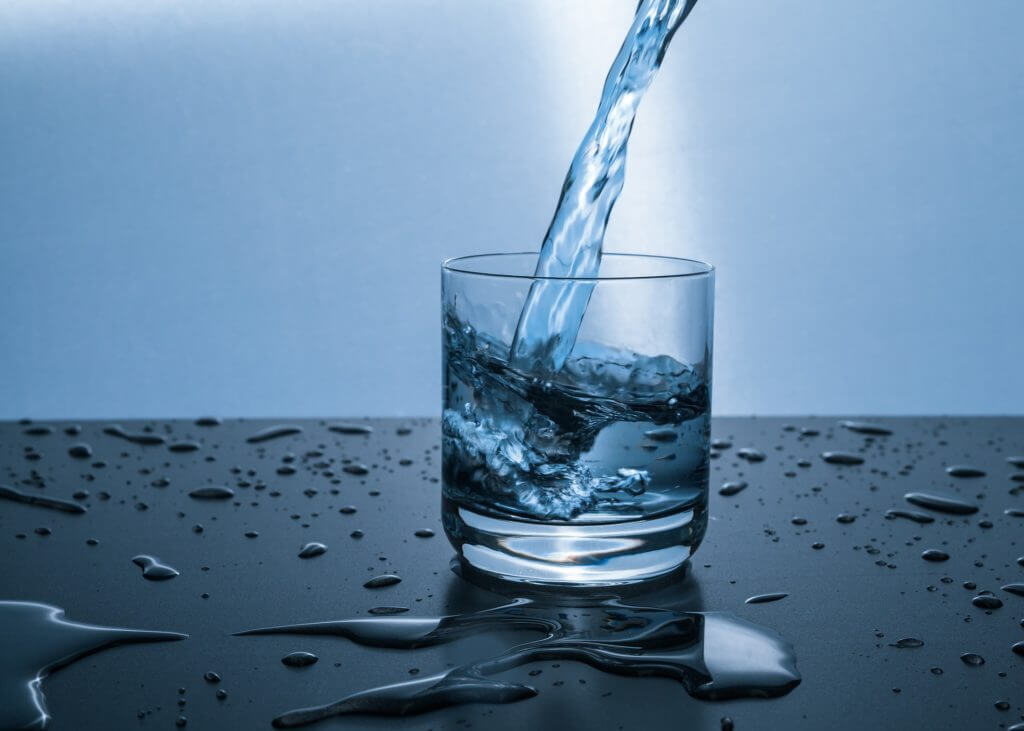
Drinking water also causes your stomach to expand which signals to the brain that you are full. It has been found that drinking two glasses of water right before a meal can lead to you eating less as a result of this.
Drinking water can speed up your metabolism.
It has been suggested that drinking water can help with managing your weight by speeding up your metabolism and using more energy.
It has been discovered that drinking two glasses of cold water half an hour before each meal during the day leads to a loss in weight. The reason behind this is that your body has to warm up the water to your body temperature after you drink it and this uses more energy. This increase in energy consumption leads to a faster metabolism. You are unlikely to lose much weight doing this alone, but every bit helps.
Drinking water may reduce your total liquid calorie consumption.
Water has no calories and therefore drinking water instead of other fluids which do contain calories will lead to a total reduction in the number of calories you consume overall.
Just make sure that you do not reverse your reduction in calorie consumption by making up for it elsewhere.
Drinking water assists you with exercise.
Your body needs water during exercise. This is because it dissolves minerals such as potassium, magnesium, and sodium, collectively known as electrolytes, and distributes them to the various parts of your body where your muscles use their electrical energy in order to be able to move.
If you don’t drink enough water, your muscle cells will cause a faster breakdown of protein which is muscle. This also causes a reduction in muscle gain. Therefore, you will be getting less benefit from your workouts as a result.

In addition, you will also be losing more water which exercising through perspiration. If you dehydrate and stop perspiring, you may become more fatigued and possibly even suffer heat exhaustion because perspiration is your body’s way of keeping itself cool.
So, keeping yourself properly hydrated by drinking water before and during your workout should help you to burn more calories by exercising for longer due to decreased fatigue.
Drinking water assists your body with waste removal.
Water helps to keep everything in your system to continue moving smoothly and therefore reduces the risk of suffering from constipation or bloating.
It also helps to reduce kidney stones and urinary tract issues by flushing out harmful bacteria, promoting kidney function, and diluting the urine.
Drinking water may reduce stress and increase motivation.
Being dehydrated may lead to dizziness, confusion, or fatigue. Reduced alertness and sleepiness are also possible consequences of being dehydrated. These may all cause impaired decision-making. Studies have also found that dehydration can also lead to increased stress.
All of these can also lead to a lack of motivation to do the things you know you should be doing such as exercising and eating healthy food.
Drinking enough water also boosts brain performance, regulates blood pressure, and helps you have healthier and brighter skin.
How much water should you be drinking?
The amount of water your body needs varies a lot depending on a number of factors sure as gender, age, activity, and health to name but a few.
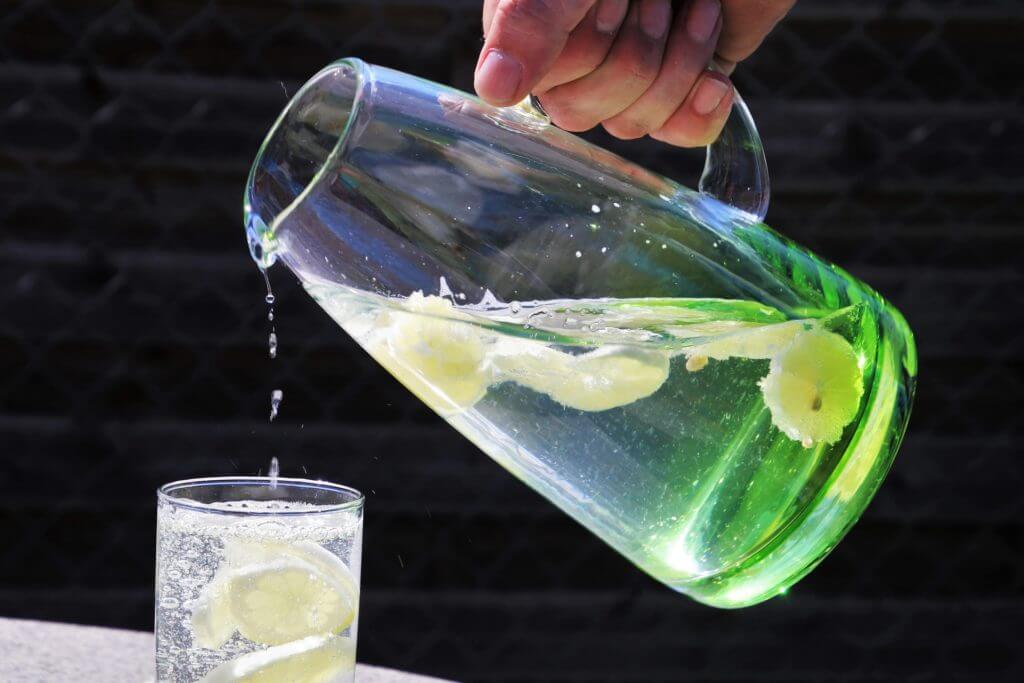
According to the National Academies of Sciences, Engineering, and Medicine, or NASEM, women should drink 11 cups (91 ounces) a day and men should drink 15.5 cups (125 ounces) with 80% coming from fluids and 20% from food which are water-rich.
An easy way to know if you are drinking enough water or not is to look at the color of your urine. The lighter the color the better. If it’s dark yellow you are not drinking enough water.
Conclusion.
Water is very important for many of your body functions and overall health, performance, and efficiency. Drinking enough water may also assist you with weight loss but is not likely to lead to significant results alone. Therefore, you should combine it with an overall healthy lifestyle with diet and exercise at its core.