Starch And Sugar Carbs V’s Vegetable Carbs. Secrets You Need To Know…
Sugar Carbs V's Vegetable Carbs
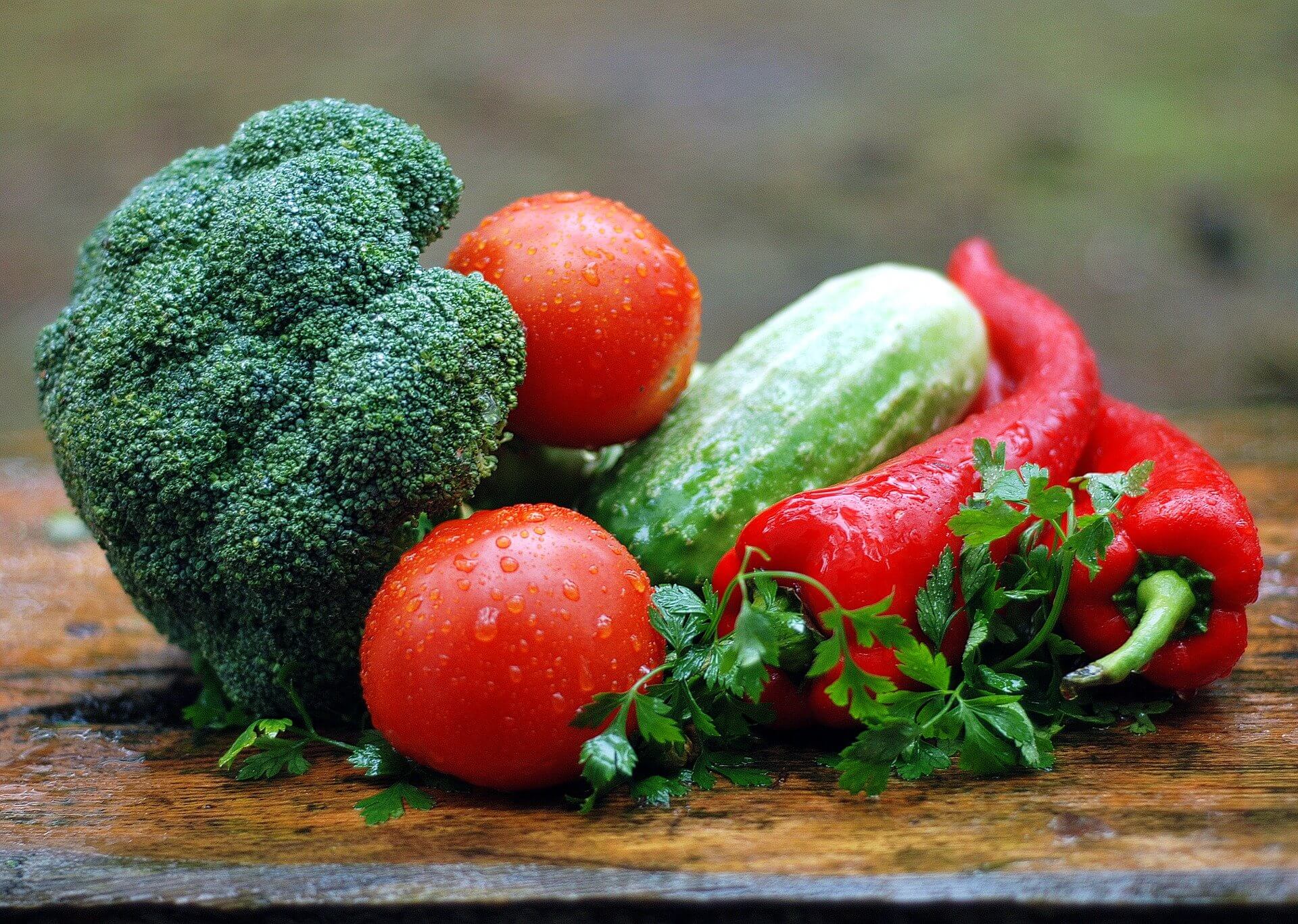
By now you probably know that the Keto diet entails replacing your carb consumption with fat. However, what you may not know is that not all carbohydrates are the same. We tend to associate carbs with sugary or starchy vegetables, fruits, and grains. But some carbs are actually very nutritious. Here we will compare Sugar carbs and Vegetable carbs.
So selecting the right vegetables to eat becomes more important when you are on the Keto diet. This is because the carb allowance on the Keto Diet is extremely low so you should be sticking to non-starchy vegetables together with healthy fat and moderate protein. This is what causes your body to enter ketosis where it will start to burn fat for energy instead of using carbs.
You might be thinking ‘Aren’t all vegetables supposed to be good for you?’ and that is a fair question to ask. The truth is that although all vegetables are indeed good for you, not all of them will help you get your body into ketosis. This all comes down to the carb level in the different vegetables.
Which Vegetable Carbs Should You Be Eating?
Starchy vegetables like potatoes, corn, and peas are not suitable for the Keto lifestyle due to their higher glycemic load.
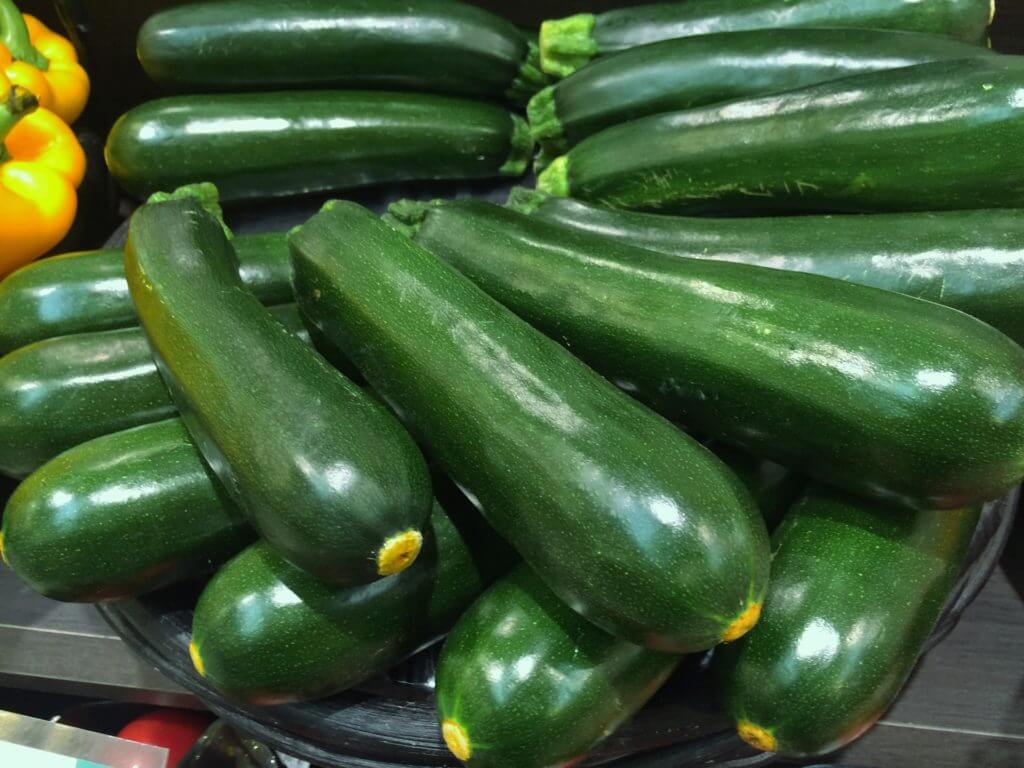
The following vegetables are what you should be eating while living the Keto lifestyle:
- Alfalfa Sprouts – .4 grams per cup
- Artichoke (1/4 Steamed) – 4 grams
- Artichoke Hearts In Water – 2 grams per 1 heart
- Arugula – .2 grams per ½ cup
- Asparagus – 2.4 grams per 6 spears
- Bamboo Shoots – 1.1 grams per 1 cup
- Bell Peppers – 2.3 grams per ½ cup
- Bok Choy – .8 grams per 1 cup/raw
- Broccoli – 1 gram per 1/2 cup
- Brussels sprouts – 2.4 grams per ¼ cup
- Cabbage – 2 grams per ½ cup
- Cauliflower – 2 grams per 1 cup
- Celery – .8 grams per 1 stalk
- Chard – 1.8 grams per ½ cup
- Cherry Tomatoes – 4 grams per cup
- Chicory Greens – .6 grams per ½ cup
- Collard Greens – 4.2 grams per 1/2 cup
- Cucumber – 1 gram per ½ cup sliced
- Daikon – 1 gram per ½ cup
- Eggplant – 1.8 grams per ½ cup
- Endive – >1 gram per ounce
- Escarole – >1 gram per ounce
- Fennel – 3.6 grams per 1 cup
- Green Onions – .1 per 1 tablespoon
- Hearts of Palm – .7 grams per 1 heart
- Iceberg Lettuce – .1 grams per 1/2 cup
- Jicama – 2.5 grams per ½ cup
- Kale – 2.4 grams per ½ cup
- Leeks – 1.7 grams per ¼ cup
- Mushrooms – 1 gram per ½ cup
- Okra – 2.4 grams per ½ cup
- Onions – 2.8 grams per ¼ cup
- Parsley – >1 gram per ounce
- Radicchio – .7 grams per ½ cup
- Radishes – .9 grams per 10 pieces
- Romaine Lettuce – .2 grams per ½ cup
- Sauerkraut (canned and drained) – 1.2 grams per ½ cup
- Spinach – .2 grams per ½ cup
- Tomato (1 medium) – 4 grams
- Turnips – 2.2 grams per ½ cup
Are Vegetable Carbohydrates Better Than Starch-Based Or Sugar Carbs?
The easy answer to this question is yes because we are focusing on the health effects.
GI Score
The ranking of the number of carbohydrates contained in foods in relation to how they affect blood sugar levels is called the glycemic index score or GI for short.
The vegetables listed above all have a very small effect on glucose levels in the blood. They all have a GI of less than 20. The lower the GI, the better in terms of the effect on blood sugar or insulin trigger ability.
The basis of the Keto diet is to get the body into ketosis so that it burns fat for its energy instead of carbs. If the levels of insulin are increased too frequently then this will not happen.
Therefore, you should stay away from foods with a high GI when on the Keto diet. Your main source of carbs should be low-carb vegetables.
Insulin is the body’s hormone responsible for storage and will keep as much of the nutrients as possible to prevent the body’s stores from getting run down. So, basically, the insulin will prevent your body from going into ketosis and therefore make weight loss very difficult.
Can Starch Carbs And Sugar Carbs Be Consumed At All?
In the ideal world, nobody should be consuming starchy and sugary foods as part of their regular diet. This is because they keep your insulin levels and thus your blood sugar levels high.
You are no doubt be well aware of the negative health effects of high blood sugar levels. Diabetes is the obvious one that springs to mind. However, it can also lead to cardiovascular disease, damage to blood vessels, nerve damage, and many other adverse health effects.
The effects on blood sugar levels and fat gain are the same for almost everybody with the possible exception of athletes and bodybuilders who workout so much and expend so much energy that the sugar gets burned off before it gets the chance to be converted to fat.
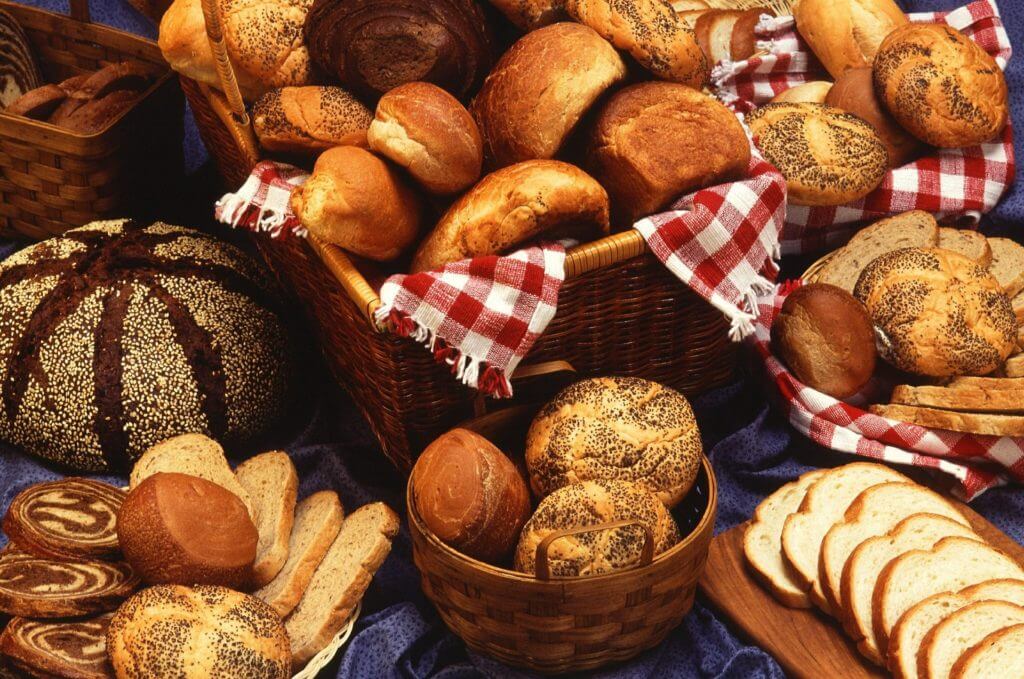
A common misconception to beware of also it that whole wheat or cereals which are high in fiber are healthy. Whereas they do contain more nutrients than white processed cereals they are still not good for anyone trying to lose weight as they still trigger insulin which prevents your body from going into ketosis.
Therefore, Whole wheat bread (unless Keto compliant), oats, and brown rice are all out when you are on the Keto diet.
Conclusion
It should now be clear from what has been discussed that non-starchy vegetables are what you should be eating while you are on the Keto diet. Otherwise, you will find yourself not achieving the results you expect.
Staying well away from all sugars and wheat-based carbs is not only necessary on the Keto diet but will also be better for your health overall.